Basic Ramen Broth Recipe
Introduction
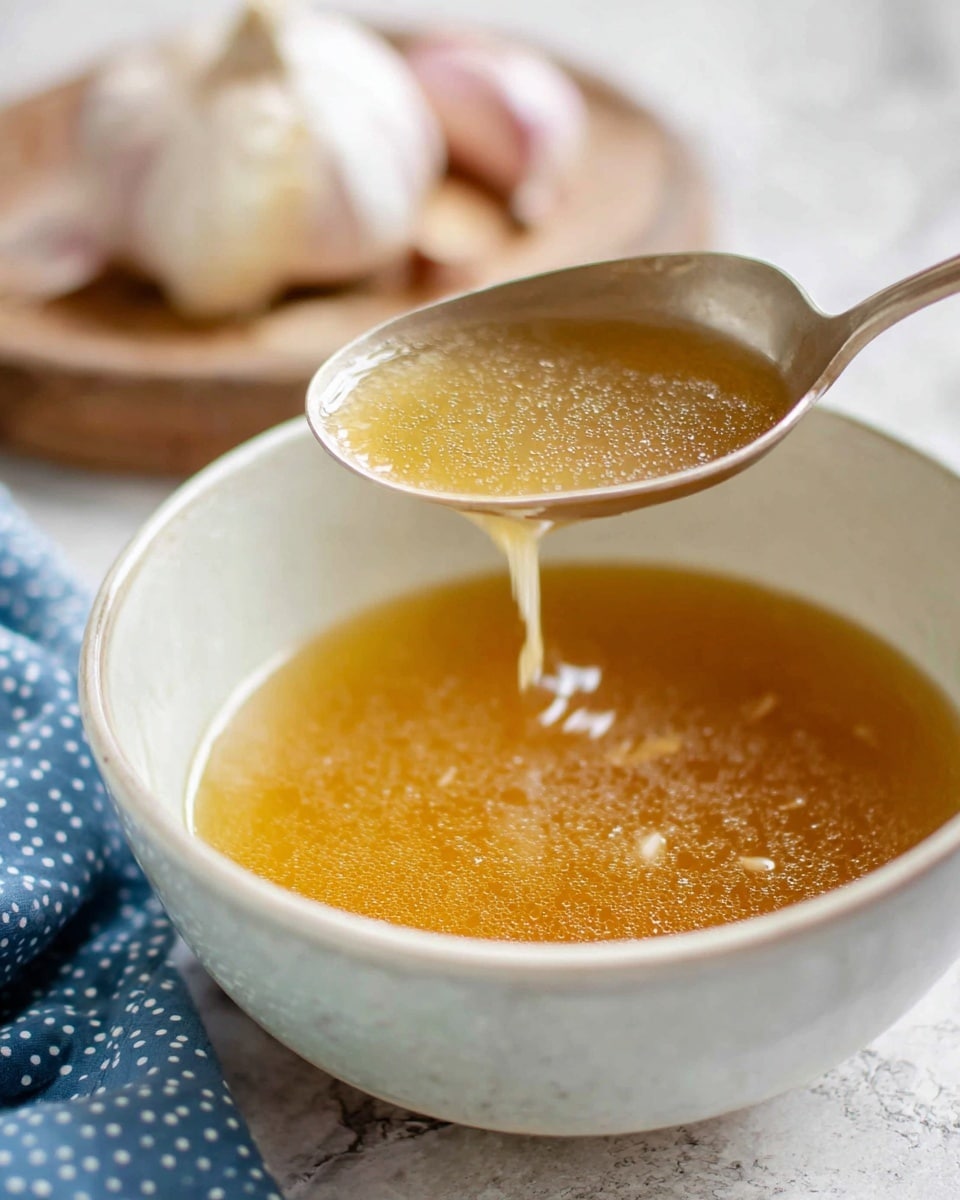
This basic ramen broth recipe offers a deeply flavorful and authentic foundation for your homemade ramen. Combining rich chicken broth with traditional Japanese ingredients like kelp, bonito flakes, and shiitake mushrooms, it simmers slowly to develop a savory, umami-packed soup perfect for customizing with your favorite tare and toppings.
Ingredients
- 0.35 oz (10g) Kelp
- 0.35 oz (10g) Bonito flakes (or 1 cup)
- 0.7 oz (20g) Shiitake mushrooms (or 5 dried shiitake mushrooms)
- 6 cups (1.5 L) water
- 2 Chicken carcasses (about 1 whole chicken’s bones)
- 4 Chicken wings
- 1/2 onion, cut into quarters
- 2 cloves garlic, peeled and smashed
- 1 oz (30g) ginger, thinly sliced
- 2 scallions, chopped into one-third length
- 1/2 cup sake
- 12 cups (3 L) water
- 1/4 cup dashi stock
- 2 tbsp sake
- 1 tbsp mirin
- 1 tbsp salt
- 2.5 tbsp chashu leftover sauce
- 1/2 onion, finely chopped
- 1 clove garlic, finely chopped
- 1 tbsp finely chopped ginger
- White part of 1 scallion
- 2 tbsp smooth peanut butter (all natural, no sugar added)
- 1 tbsp sake
- 2 tbsp mirin
- 1 tsp rayu chili oil
- 1/2 cup miso paste
Instructions
- Step 1: Prepare the overnight dashi stock by placing kelp, bonito flakes, shiitake mushrooms, and 6 cups (1.5 L) of water in a large jar. Cover with a lid and soak overnight.
- Step 2: Clean the chicken carcasses and wings under running water; remove all organs and wash off any blood.
- Step 3: Bring water (not listed in ingredients) to a boil in a large pot. Poach the chicken carcasses and wings for about 30 seconds until the color changes to white. Discard the poaching water.
- Step 4: In a large pot, combine the cleaned chicken carcasses, wings, 12 cups (3 L) water, 1/2 onion quarters, smashed garlic, sliced ginger, chopped scallions, and 1/2 cup sake. Bring to a boil over high heat.
- Step 5: Once boiling, reduce heat to low and skim off any scum that forms on the surface. Simmer gently for about 3 hours, removing scum occasionally and adding the overnight dashi stock as needed.
- Step 6: After 3 hours, add the remaining overnight dashi stock with kelp, bonito flakes, and shiitake mushrooms. Remove from heat and strain the broth into another large pot or bowl, discarding solids.
- Step 7: Simmer the strained broth gently for an additional 2 hours.
- Step 8: Remove from heat and strain the broth again through a sieve lined with kitchen paper towels. The broth should reduce to about 10 cups (2.5 L).
- Step 9: Use the broth immediately for ramen soup or store it in the fridge or freezer for later use.
- Step 10: To prepare tare (seasoning sauces), combine ingredients for shio, shoyu, or miso tare as follows:
- Shio Tare: Mix salt, sake, mirin, chashu sauce, finely chopped onion, garlic, ginger, scallion, and sake. Place 2.5 tbsp tare in a bowl, add 2 cups (500 ml) broth, and stir.
- Shoyu Tare: Place 3 tbsp shoyu tare in a bowl, add 2 cups (500 ml) broth, and stir.
- Miso Tare: Blend peanut butter, sake, mirin, rayu chili oil, finely chopped aromatics in a small container until creamy. Cook over low heat for 3 minutes, stir constantly, then add miso paste and blend well. Place 2 tbsp in a bowl with 2 cups (500 ml) broth and stir.
Tips & Variations
- Soaking the dashi ingredients overnight extracts maximum umami flavor with minimal effort.
- Skimming the scum frequently keeps the broth clear and clean-tasting.
- Adjust tare amounts to taste depending on how salty or rich you prefer your ramen.
- Use leftover tare sauces from chashu pork for authentic sweetness and depth.
- Substitute shiitake mushrooms with dried varieties if fresh are unavailable for better shelf life.
Storage
Store the finished ramen broth in an airtight container in the refrigerator for up to 3 days or freeze for up to 3 months. Reheat gently on the stove before serving, stirring occasionally to preserve flavor. Avoid boiling again once tare has been added for best taste.
How to Serve
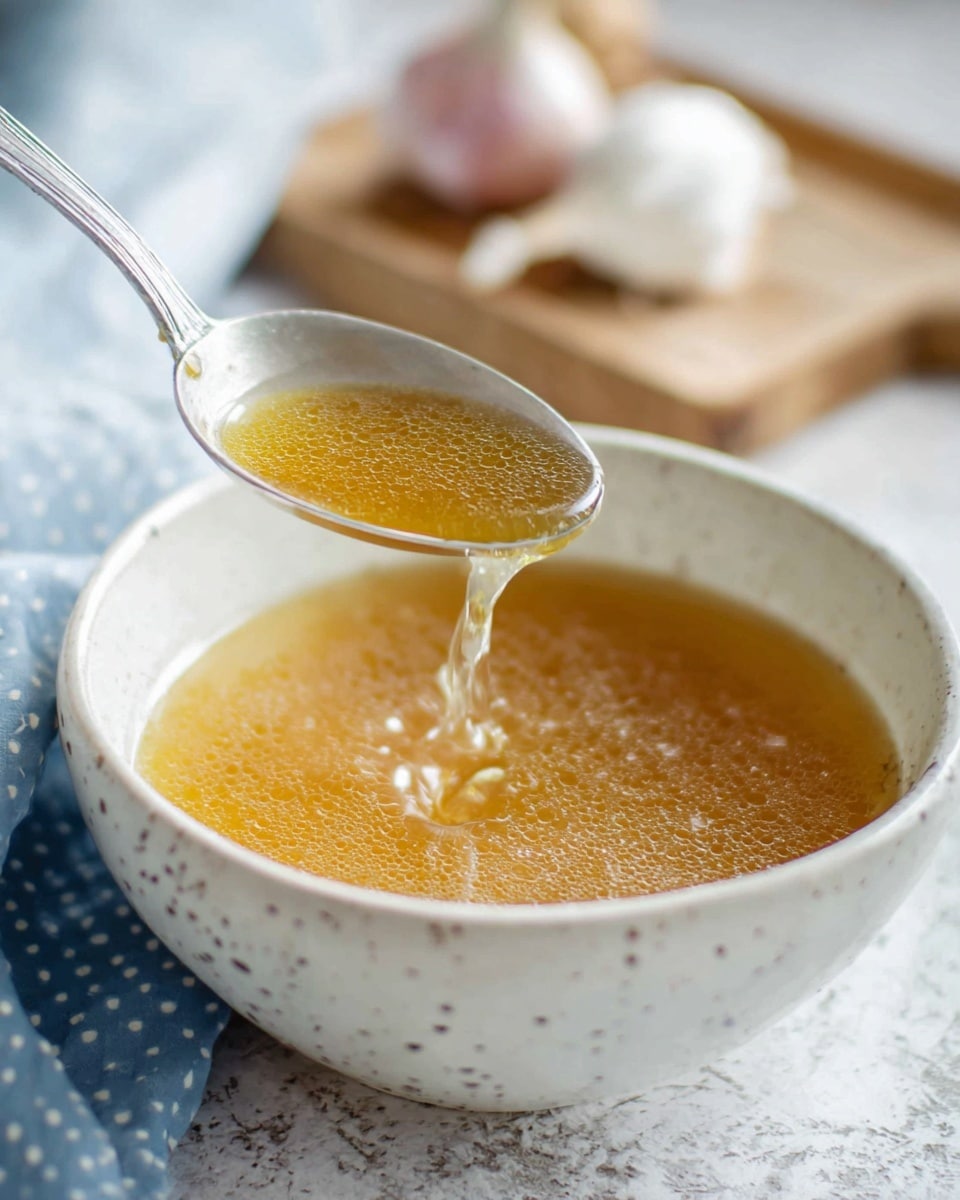
Serve this delicious recipe with your favorite sides.
FAQs
Can I make this broth without chicken wings?
Yes, chicken carcasses alone work fine, but wings add extra collagen and richness to the broth.
What is tare and why is it important?
Tare is a concentrated seasoning sauce added to ramen broth that defines the soup’s flavor—such as salty (shio), soy-based (shoyu), or miso-based. It balances and enhances the final ramen bowl.
PrintBasic Ramen Broth Recipe

This Basic Ramen Broth recipe creates a rich, deeply flavored base for traditional Japanese ramen using a combination of chicken, kelp, bonito flakes, shiitake mushrooms, and a carefully crafted tare sauce. The broth is simmered for hours to develop umami complexity, perfect for authentic ramen bowls with shio, shoyu, or miso tare options.
- Prep Time: 15 minutes (plus overnight soaking)
- Cook Time: 5 hours 55 minutes
- Total Time: 13 hours 10 minutes
- Yield: 5 servings 1x
- Category: Soup
- Method: Stovetop
- Cuisine: Japanese
Ingredients
Dashi Stock
- 0.35oz/10g Kelp
- 0.35oz/10g Bonito flakes (or 1 cup)
- 0.7oz/20g Shiitake mushrooms (or 5 dried shiitake mushrooms)
- 6 cups/1.5L Water
Chicken Broth
- 2 Chicken carcasses (or 1 large carcass)
- 4 Chicken wings
- 1/2 Onion, cut into quarters
- 2 Cloves garlic, peeled and smashed
- 1oz/30g Ginger, thinly sliced
- 2 Scallions, chopped into one-third lengths
- 1/2 cup Sake
- 12 cups/3L Water
Ramen Broth Enhancements
- 1/4 cup Dashi stock (prepared from above)
- 2 tbsp Sake
- 1 tbsp Mirin
- 1 tbsp Salt
- 2.5 tbsp Chashu leftover sauce
- 1/2 Onion, finely chopped
- 1 clove Garlic, finely chopped
- 1 tbsp Ginger, finely chopped
- White part of 1 scallion
Miso Tare
- 2 tbsp Smooth peanut butter (all natural, no sugar added)
- 1 tbsp Sake
- 2 tbsp Mirin
- 1 tsp Rayu chili oil
- 1/2 cup Miso paste
Instructions
- Prepare Overnight Dashi Stock: Place kelp, bonito flakes, shiitake mushrooms, and 6 cups (1.5L) of water into a large jar. Cover with a lid and soak overnight to extract deep umami flavors.
- Clean Chicken: Rinse chicken carcasses and wings under running water, removing all organs and washing off blood thoroughly.
- Poach Chicken: Bring a separate large pot of water to boil. Poach the chicken carcasses and wings for about 30 seconds or until the chicken color turns white. Strain and discard the poaching water to remove impurities.
- Make Chicken Broth: Place cleaned chicken carcasses, wings, quartered onion, smashed garlic, sliced ginger, chopped scallions, and 1/2 cup sake into a large pot with 12 cups (3L) water. Bring to a boil over high heat.
- Simmer Chicken Broth: Once boiling, reduce heat to low and remove the scum that forms on top of the soup. Simmer gently over low heat for about 3 hours for a rich broth.
- Add Dashi and Continue Simmering: Occasionally skim the broth’s surface and add the overnight dashi stock as needed. After 3 hours, add remaining dashi stock with kelp, bonito flakes, and shiitake mushrooms. Remove from heat and strain through a fine sieve lined with kitchen paper towels into a clean pot or bowl. Discard solids.
- Further Reduction: Simmer the strained broth gently for another 2 hours to deepen flavors and reduce volume to about 10 cups (2.5L). Strain again if needed.
- Store or Use Broth: The finished ramen broth can be used immediately or stored chilled or frozen for later use.
- Prepare Shio Tare: Combine finely chopped onion, garlic, ginger, white scallion, chashu sauce, sake, mirin, and salt. Stir well to dissolve salt. Place 2.5 tbsp of shio tare in a ramen bowl, pour 2 cups (500ml) of ramen broth, and stir to combine.
- Prepare Shoyu Tare: Place 3 tbsp shoyu tare in a ramen bowl and add 2 cups (500ml) of ramen broth; stir to combine (shoyu tare ingredients not listed in original recipe, assumed prepared separately).
- Prepare Miso Tare: Place peanut butter, sake, mirin, and rayu chili oil in a small container. Blend with a stick blender or food processor until creamy. Transfer to a small saucepan and cook over low heat for about 3 minutes, stirring constantly to prevent burning. Remove from heat and stir in miso paste until well combined.
- Serve with Miso Tare: Place 2 tbsp of miso tare in a ramen bowl, add 2 cups (500ml) of ramen broth and stir well to dissolve the tare completely.
Notes
- Use all natural, no sugar added peanut butter for the miso tare to maintain authentic flavor balance.
- Skimming the scum during simmering ensures a clear, clean broth.
- Overnight soaking of kelp, bonito, and mushrooms is essential to extract umami depth in dashi stock.
- Simmering times are long to develop complex layered flavors typical of traditional ramen broth.
- Straining through kitchen paper towels helps remove fine particles for a smooth broth texture.
- Chashu leftover sauce adds savory richness to the ramen broth.
- Broth can be stored refrigerated for up to 3 days or frozen for up to 1 month.
- Sake and mirin balances sweetness and acidity in tare sauces.
Keywords: ramen broth, Japanese, dashi stock, chicken broth, miso tare, shio tare, shoyu tare, ramen soup base, homemade broth