Turkish Pide Bread (Ramazan Pidesi) Recipe
Introduction
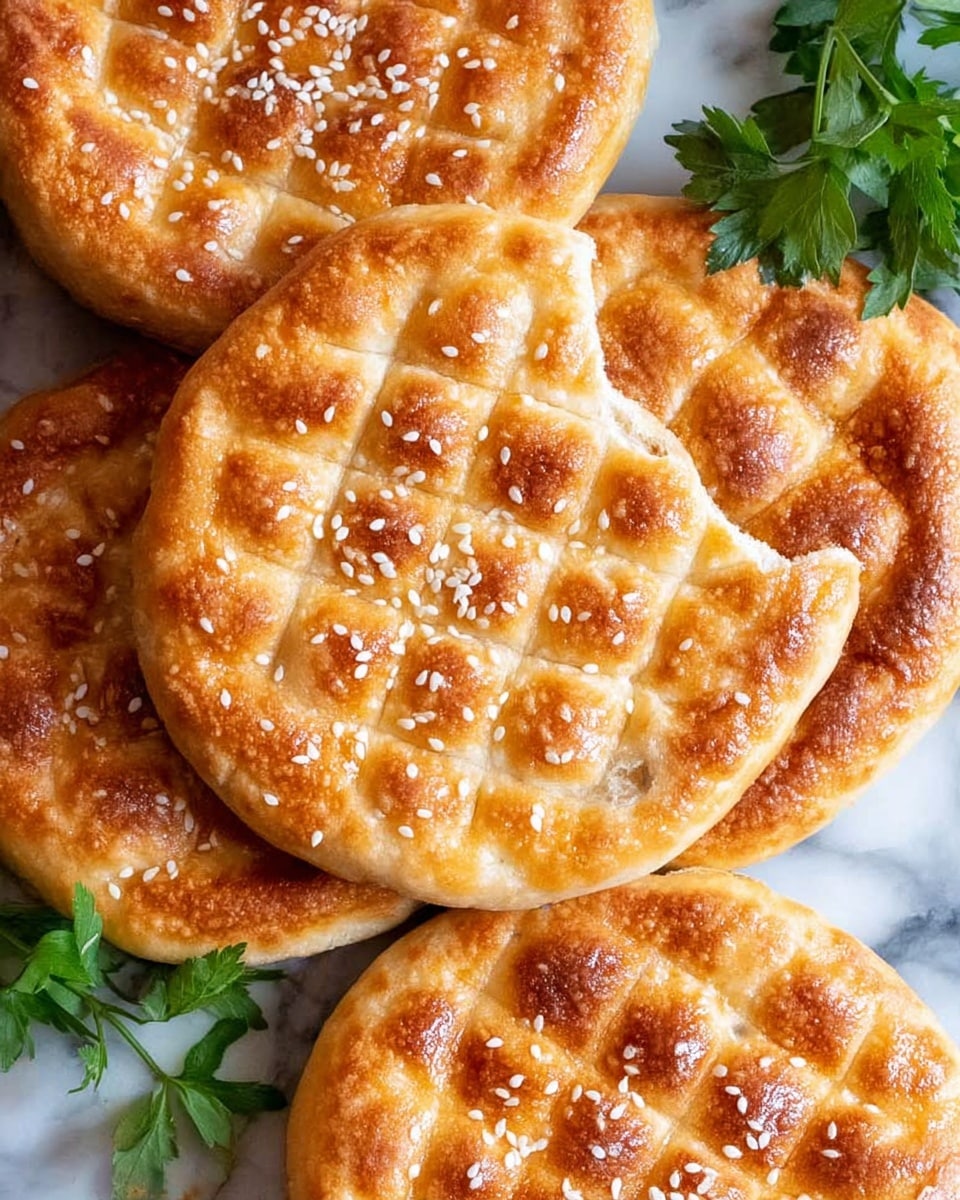
Turkish Pide Bread, also known as Ramazan Pidesi, is a soft, fluffy flatbread traditionally enjoyed during Ramadan. Its delicate crumb and signature diamond pattern topped with sesame and nigella seeds make it both beautiful and delicious. This recipe is simple, requiring no kneading, making it perfect for home bakers.
Ingredients
- 1/2 cup warm milk
- 1/2 cup warm water
- 2 tbsp olive oil
- 1 tsp sugar
- 1/2 tsp salt
- 2 tsp instant dry yeast
- 1 large egg white
- 2 1/3 cups bread flour
- 1 large egg yolk
- 1 tbsp plain yogurt
- 1 tbsp water
- 2 tbsp sesame seeds (for topping)
- 2 tbsp nigella seeds (for topping)
Instructions
- Step 1: In a large bowl, combine warm milk, warm water, olive oil, sugar, salt, instant dry yeast, and egg white. Mix gently until combined.
- Step 2: Add bread flour in batches, stirring with a wooden spoon until the dough comes together. The dough will be tacky; no kneading is necessary.
- Step 3: Cover the bowl and let the dough rise in a draft-free area, such as inside a turned-off oven, for 40 minutes.
- Step 4: Lightly flour your work surface. Transfer the dough onto it and shape into a round boule. Cover with a kitchen towel and let it rest for 20 minutes.
- Step 5: Preheat your oven to 400°F (200°C) and line a baking sheet with parchment paper.
- Step 6: In a small bowl, mix the egg yolk, yogurt, and water to create the glaze. Set aside.
- Step 7: Place the dough on the prepared baking sheet. Brush it with some of the glaze. Using your fingers, gently stretch and flatten the dough into an oval shape about 1/2 inch thick.
- Step 8: Make indentations about 1 inch from the edge using your fingers to form a circle. Then create diagonal indentations in two directions inside the circle to form a diamond pattern. Sprinkle sesame and nigella seeds evenly over the top.
- Step 9: Bake for approximately 25 minutes, until the bread turns golden brown and sounds hollow when tapped.
Tips & Variations
- Use bread flour for the best texture, but all-purpose flour can be substituted in a pinch.
- Instead of nigella seeds, you can use poppy seeds or omit them for a simpler topping.
- Ensure the liquids are warm, not hot, to properly activate the yeast without killing it.
- This bread is best enjoyed fresh but also freezes well for future use.
Storage
Store leftover pide in an airtight container or wrapped in a clean kitchen towel at room temperature for up to 2 days. To refresh, warm in a 350°F (175°C) oven for 5-7 minutes. For longer storage, freeze the bread wrapped well in plastic wrap and foil for up to 1 month. Thaw at room temperature and reheat before serving.
How to Serve
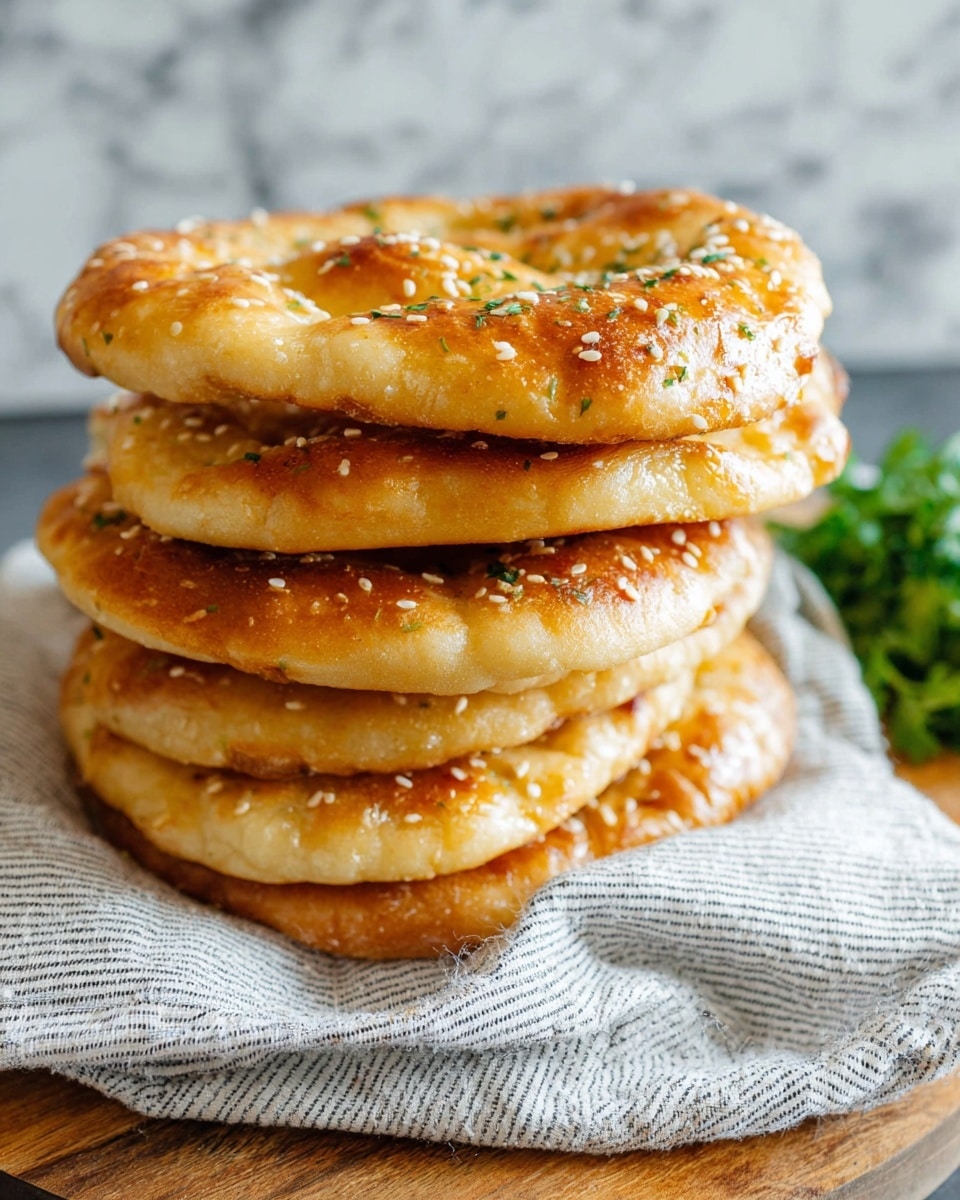
Serve this delicious recipe with your favorite sides.
FAQs
Can I use regular active dry yeast instead of instant dry yeast?
Yes, but you will need to proof active dry yeast first by dissolving it in warm water with a pinch of sugar and letting it sit until frothy, about 5-10 minutes. Then proceed with the recipe.
Why is the dough tacky and not kneaded?
This recipe uses a wet dough that develops structure during resting and proofing. No kneading is needed because the dough resting allows the gluten to form, resulting in a soft, airy bread with minimal effort.
PrintTurkish Pide Bread (Ramazan Pidesi) Recipe

This traditional Turkish Pide Bread, also known as Ramazan Pidesi, is a soft, fluffy, and beautifully shaped bread perfect for enjoying during Ramadan or any time of the year. The dough is simple to prepare with warm milk, water, and olive oil, and it is beautifully topped with a yogurt-based glaze and sesame and nigella seeds, then baked to golden perfection.
- Prep Time: 15 minutes
- Cook Time: 25 minutes
- Total Time: 1 hour 5 minutes
- Yield: 6 servings 1x
- Category: Bread
- Method: Baking
- Cuisine: Turkish
Ingredients
Wet Ingredients
- 1/2 cup warm milk
- 1/2 cup warm water
- 2 tbsp olive oil
- 1 large egg white
Dry Ingredients
- 2 tsp instant dry yeast
- 1 tsp sugar
- 1/2 tsp salt
- 2 1/3 cup bread flour
Glaze and Toppings
- 1 large egg yolk
- 1 tbsp plain yogurt
- 1 tbsp water
- 2 tbsp sesame seeds
- 2 tbsp nigella seeds
Instructions
- Prepare the Dough Base: In a large bowl, combine warm milk, warm water, olive oil, sugar, salt, instant dry yeast, and egg white. Mix well to activate the yeast and create a liquid base.
- Add Flour and Form Dough: Gradually add bread flour to the wet ingredients in batches, mixing with a wooden spoon until the dough comes together into a tacky ball. Do not knead the dough; it should remain slightly sticky.
- First Rise: Cover the bowl with a cloth or plastic wrap and let it rise in a draft-free, warm place such as an off oven for 40 minutes until the dough has expanded.
- Shape the Dough: Lightly flour your work surface, transfer the dough onto it, and shape it gently into a round boule. Cover with a kitchen towel and let it rest for 20 minutes to relax and proof slightly.
- Preheat the Oven: Heat the oven to 400°F (200°C) and line a baking sheet with parchment paper to prevent sticking.
- Prepare the Glaze: In a small bowl, whisk together egg yolk, plain yogurt, and water to create a shiny glaze.
- Shape and Glaze the Pide: Place the dough on the prepared baking sheet. Using your fingers, brush some glaze over the surface, then gently stretch and spread the dough into an oval shape about 1/2 inch thick.
- Create Pattern and Add Seeds: Use your fingers to make a circle of indentations about one inch from the edge. Then make diagonal indentations inside this circle to form a diamond pattern. Sprinkle evenly with sesame seeds and nigella seeds.
- Bake: Place the baking sheet in the preheated oven and bake for 25 minutes until the bread turns golden brown and sounds hollow when tapped.
Notes
- Do not knead the dough aggressively; the bread’s texture depends on a slightly tacky dough.
- Ensure the milk and water are warm but not hot to effectively activate the yeast.
- The indentations not only create the traditional look but help keep the bread soft and chewy inside.
- If nigella seeds are not available, you can substitute with black sesame seeds.
- Consume the bread fresh for best flavor and texture, or toast lightly if consuming the next day.
Keywords: Turkish Pide, Ramazan Pidesi, Turkish Bread, Homemade Bread, Ramadan Bread, Soft Bread, Easy Bread Recipe