Shiratama Dango (Rice Dumplings/Mochi Balls) Recipe
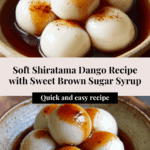
If you are craving a delightful, chewy treat that melts in your mouth and carries the subtle sweetness of traditional Japanese flavors, look no further than Shiratama Dango (Rice Dumplings/Mochi Balls). These little rice flour dumplings are a beloved classic, offering a soft and springy texture that pairs beautifully with rich dark brown sugar syrup and nutty roasted soybean powder. Whether you’re enjoying them as a comforting snack or a charming dessert, these bite-sized mochi balls bring a sense of warmth and nostalgia to every bite.
Ingredients You’ll Need
Gathering your ingredients for Shiratama Dango (Rice Dumplings/Mochi Balls) is refreshingly simple, yet each one plays a crucial role in crafting the perfect chewy texture and authentic flavor this dish is known for. From the glutinous rice flour that forms the dumplings to the luscious kuromitsu syrup and kinako for that nutty finish, every component adds a special touch.
- Glutinous rice flour (shiratamako): This flour is key for that soft, chewy texture unique to shiratama dango.
- Water: Used carefully to bind the dough to just the right consistency, like an earlobe’s softness.
- Glutinous rice flour (mochiko): An alternative flour option that can be used with potato starch for similar results.
- Potato starch (katakuriko) or tapioca starch: Adds elasticity and helps prevent the dumplings from sticking.
- Dark brown sugar syrup (kuromitsu): A rich, molasses-like syrup that adds depth and sweetness.
- Roasted soybean powder (kinako): Offers a toasty, nutty flavor that perfectly complements the mochi balls.
How to Make Shiratama Dango (Rice Dumplings/Mochi Balls)
Step 1: Prepare Your Dough
Start by measuring 100 grams of glutinous rice flour (shiratamako) into a bowl and whisk it briefly to aerate. Pour about half of 90 milliliters of water into the bowl and mix gently with a spatula. If you prefer using mochiko, combine 90 grams mochiko with 10 grams potato starch instead, and pour in about 40 ml water. The goal here is to gradually add water, kneading carefully until your dough reaches a soft, pliable texture similar to an earlobe. Don’t be tempted to add all the water at once — precision ensures perfect chewiness.
Step 2: Shape the Dumplings
Divide the dough into halves and roll each piece into cylinders, aiming for uniform thickness for consistent cooking. Then slice each cylinder into roughly ten equal pieces per half, rolling each piece into a smooth ball. Don’t forget to press a small dent in the center of every ball — this classic little detail helps with the texture and presentation. To keep the dumplings from sticking while you work on shaping the rest, place them on baking parchment.
Step 3: Cook the Dumplings
Bring a pot of water to a rolling boil, then gently lower the shiratama dango into it. Use chopsticks or a slotted spoon to gently stir so they don’t stick to the bottom. In about three minutes, you’ll notice the dumplings rise to the surface; this is your cue they’re nearly done. Once all the mochi balls float, let them cook for just one more minute to ensure they’re perfectly tender without turning gummy.
Step 4: Chill and Finish
Immediately remove the dumplings with a mesh spoon and plunge them into a bowl of ice water. This cooling bath stops the cooking process and firms up their texture, making them pleasantly chewy. Let the dumplings chill for 5 to 10 minutes before draining — this step really makes the difference between good and unforgettable Shiratama Dango (Rice Dumplings/Mochi Balls).
How to Serve Shiratama Dango (Rice Dumplings/Mochi Balls)
Garnishes
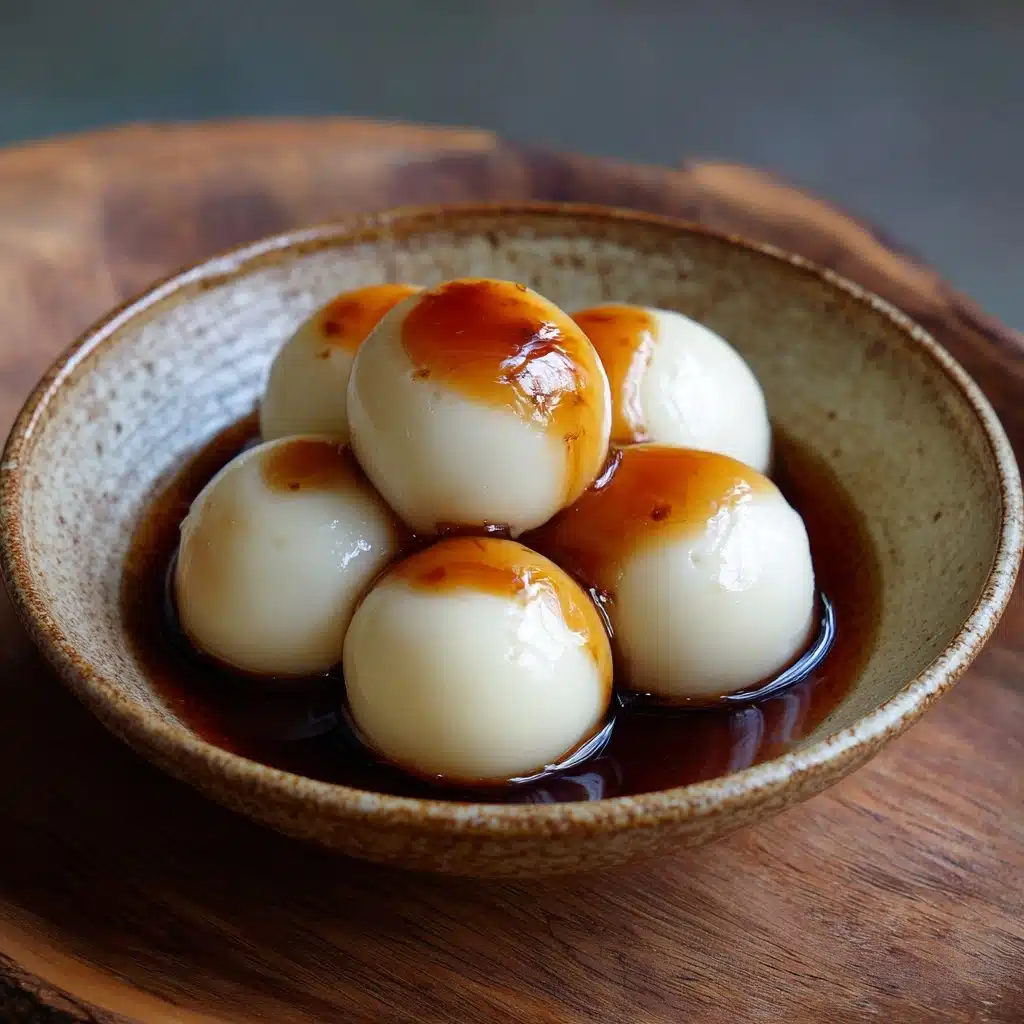
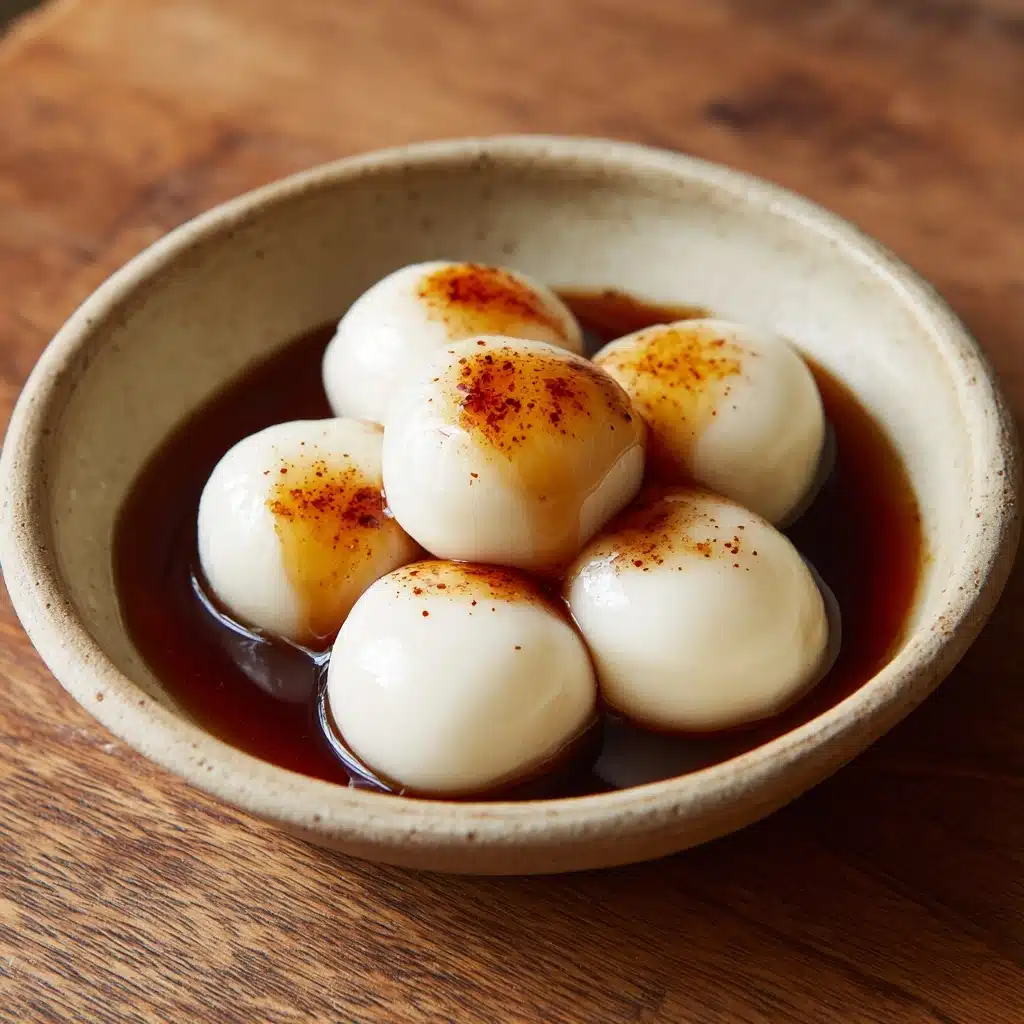
One of the joys of Shiratama Dango is how versatile it is with toppings. Traditionally, a drizzle of dark brown sugar syrup, or kuromitsu, adds a luscious, caramel-like sweetness that complements the neutral rice dumplings beautifully. Sprinkling roasted soybean powder, known as kinako, gives a toasty, nutty flavor that contrasts with the syrup’s richness and adds a lovely powdery finish. Together, they create a simple yet indulgent pairing.
Side Dishes
If you want to serve your shiratama dango as part of a spread, think of light, refreshing accompaniments like fresh seasonal fruit, matcha green tea, or adzuki red bean paste. These classic Japanese flavors harmonize wonderfully with the chewy rice balls and bring a balance of sweetness and earthiness to your snack or dessert table.
Creative Ways to Present
Let your creativity shine! Arrange the dumplings on a bamboo leaf or a rustic ceramic plate to highlight their natural colors and shapes. For a fun twist, serve Shiratama Dango with assorted dipping sauces — try sesame or coconut syrup alongside the traditional kuromitsu. Or thread them onto skewers for a playful party treat that’s easy to pick up and enjoy. No matter how you present them, these little mochi balls are sure to draw smiles.
Make Ahead and Storage
Storing Leftovers
If you have any Shiratama Dango (Rice Dumplings/Mochi Balls) left after your indulgence, don’t worry! Spread them out on a tray lined with baking parchment, making sure they don’t touch to prevent sticking, and store them in the fridge for a day or two. When ready, a quick gentle warm-up will bring them back to life.
Freezing
These mochi balls freeze beautifully. After letting leftovers cool and drying them slightly, freeze them spaced apart for about an hour. Once hardened, transfer them to a sealable freezer bag and keep them in the freezer for up to one month. This makes for a convenient way to enjoy Shiratama Dango anytime the craving hits.
Reheating
When you’re ready to enjoy your frozen dumplings, thaw them in the microwave for 40 to 50 seconds at 600W or warm them gently in a bowl of water. This restores their chewy texture without drying them out. Pair with fresh kuromitsu and kinako to recapture that freshly made magic.
FAQs
What is the difference between shiratamako and mochiko for making Shiratama Dango?
Shiratamako is a finely milled glutinous rice flour that produces softer, chewier dumplings ideal for shiratama dango. Mochiko is also glutinous rice flour but coarser, often used with potato starch to achieve a similar texture. Both work well, but shiratamako is traditionally preferred for authentic texture.
Can I make Shiratama Dango without kuromitsu or kinako?
Absolutely! While kuromitsu and kinako enhance the flavor, shiratama dango can be enjoyed simply with sweetened condensed milk, fruit syrup, or even fresh fruit toppings. The dumplings themselves have a pleasant subtle sweetness and chewy texture that stands on its own.
Why do my Shiratama Dango turn out hard or rubbery?
This usually happens if the dough is over-kneaded or too much flour is added. Also, overcooking the dumplings can toughen them. Aim for a soft dough with a slight “earlobe” texture and cook them just until they float plus one minute for the best results.
Is it necessary to soak the dumplings in ice water?
Yes, plunging shiratama dango into ice water stops the cooking process immediately and firms up their texture. This step ensures your mochi balls remain delightfully chewy and not mushy.
Can I use Shiratama Dango in other desserts?
Definitely! These rice dumplings can be added to parfaits, served with anmitsu (a Japanese jelly dessert), or paired with ice cream and fruit. They’re versatile and add wonderful texture and flavor to many creative treats.
Final Thoughts
Shiratama Dango (Rice Dumplings/Mochi Balls) are a true treasure of Japanese sweets — simple to make, endlessly customizable, and utterly delicious. Once you master the delicate balance of dough and cooking, you’ll be hooked on their chewy charm and sweet accompaniments. I encourage you to try making these delightful mochi balls yourself; it’s a fun, rewarding experience that brings a bit of Japanese tradition and warmth right into your kitchen. Happy cooking and even happier eating!
PrintShiratama Dango (Rice Dumplings/Mochi Balls) Recipe
Shiratama Dango are soft, chewy Japanese rice dumplings made from glutinous rice flour. These delightful mochi balls are traditionally served with a drizzle of dark brown sugar syrup (kuromitsu) and a sprinkle of roasted soybean powder (kinako), making for a sweet and satisfying treat that’s simple to make at home.
- Prep Time: 10 minutes
- Cook Time: 5 minutes
- Total Time: 15 minutes
- Yield: 20 dumplings 1x
- Category: Dessert
- Method: Boiling
- Cuisine: Japanese
- Diet: Vegetarian
Ingredients
Main Ingredients
- 100 g glutinous rice flour (shiratamako) or 90 g mochiko (glutinous rice flour) + 10 g potato starch (katakuriko) or tapioca starch
- 90 ml water (approx, if using shiratamako) or 80 ml water (approx, if using mochiko and katakuriko)
Toppings
- Dark brown sugar syrup (kuromitsu), to taste
- Roasted soybean powder (kinako), to taste
Instructions
- Prepare the flour and water mixture: Measure 100 g of glutinous rice flour (shiratamako) into a bowl and whisk briefly. Pour half of the 90 ml water into the bowl. If using mochiko, combine 90 g mochiko and 10 g potato starch (katakuriko) instead, then add half of 80 ml water.
- Form the dough: Mix with a spatula and gradually add the remaining water little by little, kneading continuously until a smooth, pliable dough forms with a texture similar to an earlobe. It’s possible not all water will be needed.
- Shape the dumplings: Cut the dough in half, then roll each portion into a cylinder. For larger batches, cut into quarters or sixths accordingly. Slice each cylinder into 10 equal pieces, then roll each piece into a ball and press a small dent into the center.
- Prevent sticking: Place the shaped dumplings on a piece of baking parchment to avoid sticking.
- Boil the dumplings: Bring a pot of water to a boil. Gently add the shiratama dango to the boiling water and nudge with chopsticks to prevent sticking. Boil until they float to the surface, about 3 minutes.
- Set a timer and prepare ice water: Once all dumplings float, set a timer for 1 minute and prepare a bowl of ice-cold water.
- Cool the dumplings: Turn off the heat, then use a mesh spoon to transfer the dumplings to the ice water bowl. Allow them to cool for 5–10 minutes.
- Serve: Drain the dumplings and serve topped with dark brown sugar syrup (kuromitsu) and roasted soybean powder (kinako) to taste.
- Storage: If you have leftovers, spread dumplings out on a tray lined with baking paper and freeze for 1 hour. Then transfer to a sealable freezer bag and consume within 1 month. Reheat by microwaving (40–50 seconds at 600W) or thaw slowly in a bowl of water.
Notes
- Adjust water quantities as needed, the dough should not be sticky but soft and pliable.
- Pressing a dent in the dumplings helps them cook evenly and hold their shape.
- Kuromitsu syrup can be purchased or homemade from dark brown sugar and water.
- Kinako adds a nutty flavor and balances the sweetness.
- Frozen dumplings should be spaced to prevent sticking and maintain texture.
Nutrition
- Serving Size: 5 dumplings
- Calories: 140
- Sugar: 8 g
- Sodium: 5 mg
- Fat: 0.2 g
- Saturated Fat: 0 g
- Unsaturated Fat: 0.2 g
- Trans Fat: 0 g
- Carbohydrates: 34 g
- Fiber: 1 g
- Protein: 1.5 g
- Cholesterol: 0 mg
Keywords: Shiratama Dango, Mochi Balls, Japanese Dessert, Rice Dumplings, Kuromitsu, Kinako, Glutinous Rice Flour