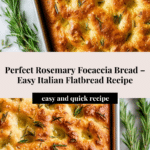
Rosemary Focaccia Bread: Easy Italian Bakery-Style Recipe
Introduction
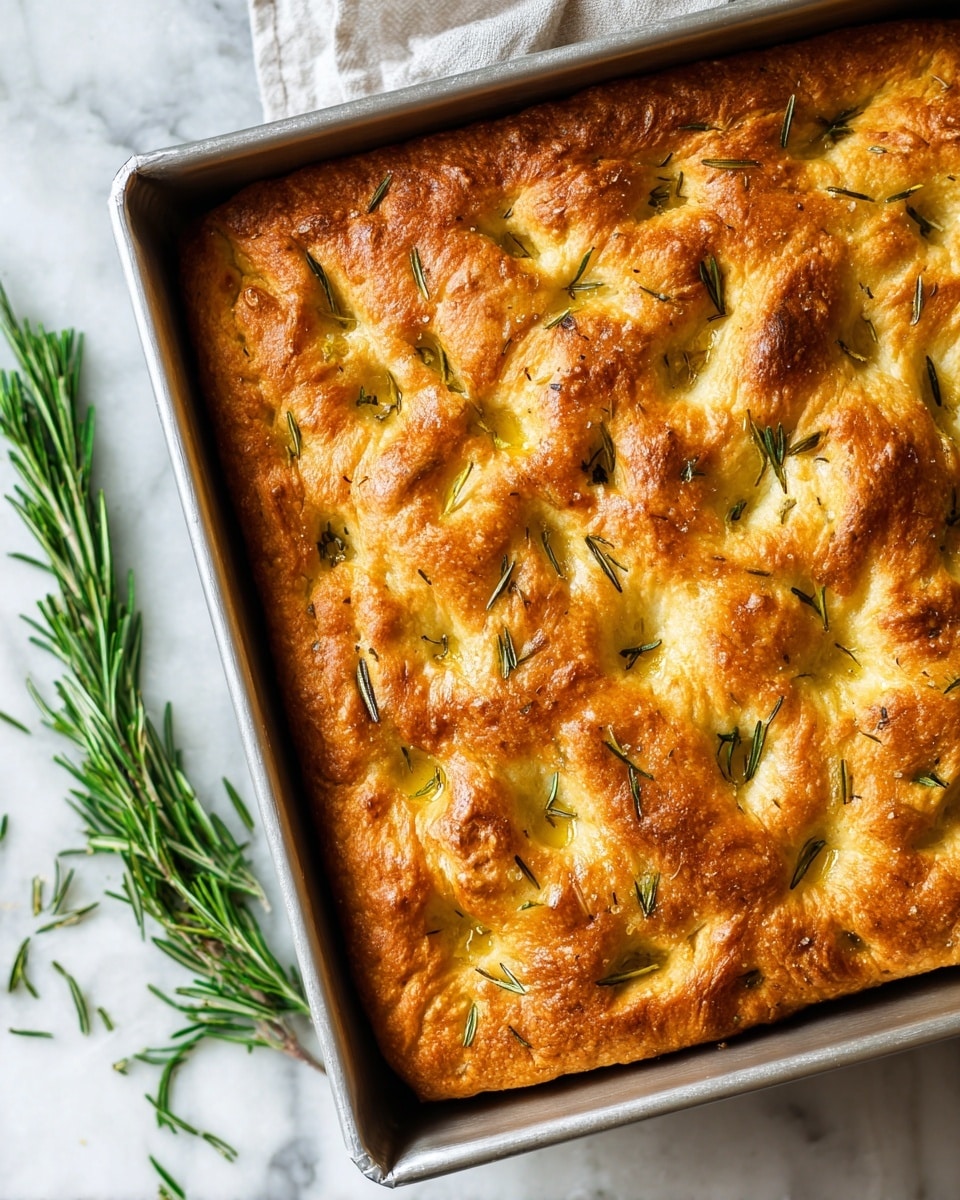
Rosemary focaccia is a classic Italian flatbread known for its golden crust and airy, herb-infused interior. With a few simple ingredients and some careful technique, you can create bakery-style breads at home that are both fragrant and delicious. This easy recipe will guide you through making your own Fail Rosemary focaccia, a flavorful tribute to Mediterranean tradition.
Ingredients
- 4 cups (500g) bread flour
- 1 ½ teaspoons fine sea salt
- 1 packet (2 ¼ teaspoons) active dry yeast
- 1 cup (240ml) lukewarm water (105-115°F / 40-46°C)
- ½ cup (120ml) extra virgin olive oil, plus extra for greasing and drizzling
- Fresh rosemary, finely chopped (about 2 tablespoons)
- Flaky sea salt for finishing
- Pinch of sugar (optional, for yeast activation)
Instructions
- Step 1: In a small bowl, combine lukewarm water with the yeast and a pinch of sugar. Let it sit for 5-10 minutes until foamy. This activates the yeast; if it doesn’t foam, use fresh yeast.
- Step 2: In a large mixing bowl, whisk together the bread flour and fine sea salt.
- Step 3: Pour the yeast mixture and ½ cup olive oil into the dry ingredients. Stir until a very wet, shaggy dough forms. It will be sticky—this is correct.
- Step 4: Cover the bowl tightly with plastic wrap or a damp towel. Let the dough rise in a warm place for 1.5 to 2 hours until doubled in size and bubbly.
- Step 5: Optional but recommended: wet your hands and perform 3-4 stretch-and-folds by gently stretching one edge of the dough upwards and folding it over the center. Rotate and repeat. Cover and rest 30 minutes.
- Step 6: Generously grease a 9×13 inch (23×33 cm) baking pan with olive oil. Transfer the dough to the pan and gently spread it using oiled fingertips, reaching the edges. Cover loosely and let proof for 45-60 minutes until puffy.
- Step 7: Preheat the oven to 425°F (220°C). Drizzle 2-3 tablespoons olive oil on surface. Use oiled fingertips to press deep dimples throughout the dough, reaching the pan bottom.
- Step 8: Sprinkle chopped fresh rosemary evenly over dough, pressing gently into dimples. Scatter flaky sea salt on top.
- Step 9: Bake for 20-25 minutes until the top is golden brown and edges are crispy. Check bottom crust for golden color by gently lifting an edge.
- Step 10: Remove from oven, transfer focaccia to a wire rack to cool 15-20 minutes. Optionally drizzle a little olive oil over warm bread before slicing and serving.
Tips & Variations
- Use bread flour with at least 11-12% protein for the best airy crumb; all-purpose flour works but yields a denser texture.
- Wet your hands and work surfaces when handling sticky dough to keep it manageable.
- For extra flavor, add minced garlic, cherry tomatoes, olives, or caramelized onions before baking.
- Try sprinkling cheese like Parmesan or mozzarella on top during the final proof for a cheesy variation.
- Do not overbake to keep the interior moist; aim for a golden crust, not dark or burnt.
Storage
Store focaccia in an airtight container at room temperature for up to 2 days. For longer storage, wrap tightly and freeze for up to 1 month. To reheat, warm in a 350°F (175°C) oven for 5-10 minutes to restore crispness. Avoid microwaving, which can make the crust soggy.
How to Serve
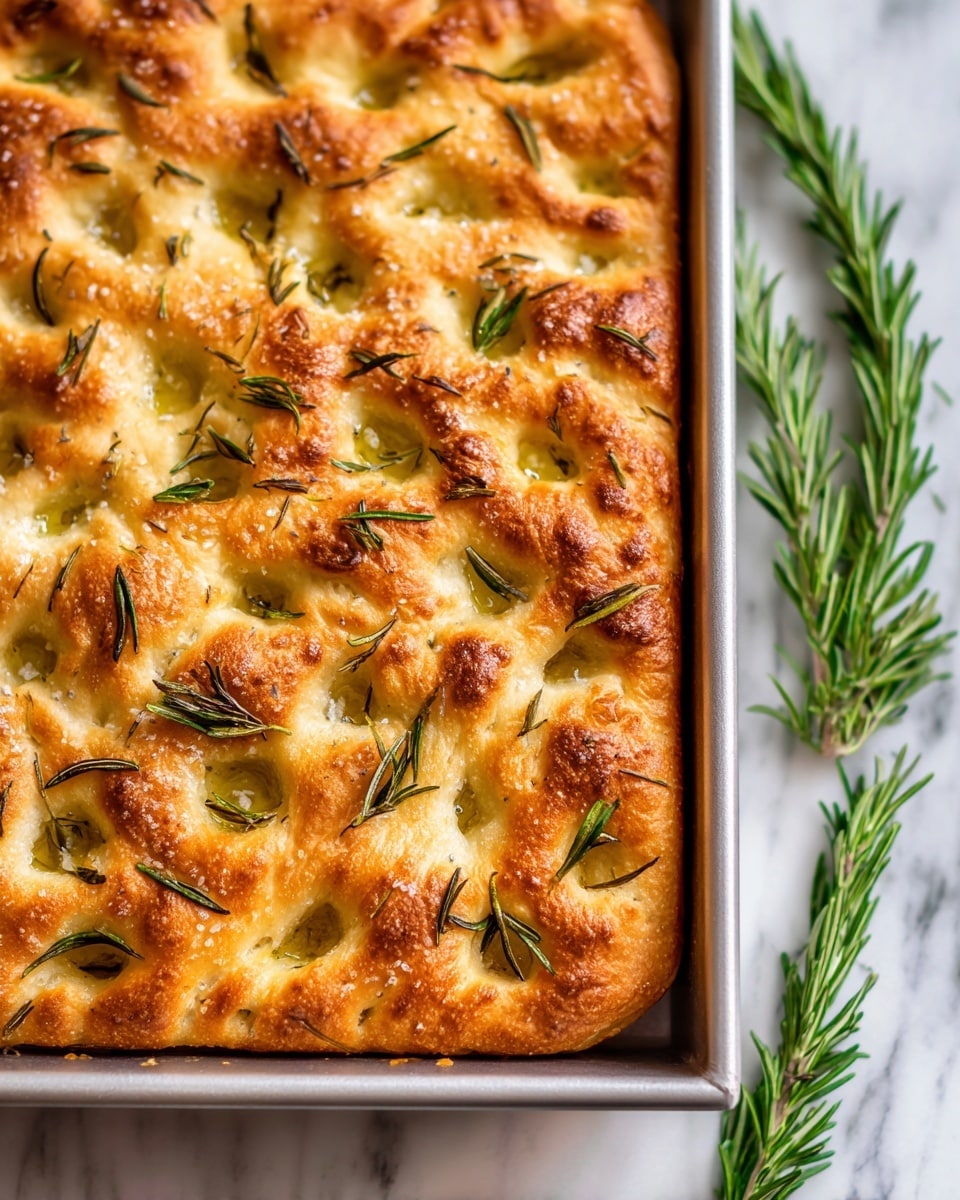
Serve this delicious recipe with your favorite sides.
FAQs
Why is my focaccia dough so sticky and hard to handle?
Focaccia dough is intentionally very wet and sticky to produce its characteristic light, airy crumb. This high hydration is normal. To manage it, lightly oil your hands and work surfaces and use gentle stretch-and-fold techniques rather than aggressive kneading.
How can I ensure my rosemary focaccia has a crispy crust?
Use plenty of olive oil in both the dough and pan to create a crispy bottom. Bake at a high temperature (425°F / 220°C) and avoid over-proofing the dough. A final drizzle of olive oil right after baking adds shine and crunch.
PrintRosemary Focaccia Bread: Easy Italian Bakery-Style Recipe
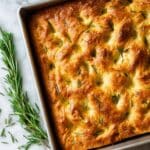
Discover the art of baking a classic Italian Rosemary Focaccia Bread, also known as Fail Rosemary, with this easy-to-follow recipe. This fragrant, golden-crusted bread features a delightfully airy interior infused with fresh rosemary and a generous drizzle of extra virgin olive oil. Perfect as a sharing bread, accompaniment to meals, or a flavorful base for sandwiches, this focaccia combines traditional techniques with simple ingredients to create bakery-style results at home.
- Prep Time: 20 minutes
- Cook Time: 25 minutes
- Total Time: 3 hours 40 minutes
- Yield: 8 servings 1x
- Category: Bread
- Method: Baking
- Cuisine: Italian
- Diet: Vegetarian
Ingredients
Dry Ingredients
- 4 cups (500g) bread flour (preferably high-protein, 11-12%)
- 1 ½ teaspoons fine sea salt
Wet Ingredients
- 1 cup (240ml) lukewarm water (105-115°F / 40-46°C)
- ½ cup (120ml) extra virgin olive oil, plus 2-3 tablespoons for drizzling and greasing
- 1 packet (about 2 ¼ teaspoons) active dry yeast or instant yeast
Additional Ingredients
- Pinch of sugar (optional, to activate yeast)
- Fresh rosemary sprigs, finely chopped (generous amount)
- Flaky sea salt, for finishing
Instructions
- Activate the Yeast: In a small bowl, mix 1 cup lukewarm water with the yeast and an optional pinch of sugar. Let it sit for 5-10 minutes until foamy, indicating the yeast is active and ready.
- Combine Dry Ingredients: In a large mixing bowl, whisk together the bread flour and sea salt evenly to prepare the dry base.
- Mix the Dough: Pour the yeast mixture and ½ cup extra virgin olive oil into the dry ingredients. Stir with a wooden spoon or dough whisk until a sticky, shaggy dough forms. Avoid kneading at this stage; the dough should be wet and sticky.
- First Rise (Bulk Fermentation): Cover the bowl with plastic wrap or a damp towel. Let the dough rise in a warm place for 1.5 to 2 hours until doubled in size and bubbly, which develops flavor and texture.
- First Fold (Optional but Recommended): Gently unfold the dough by wetting your hands and performing a series of stretch-and-folds — stretching one edge upward and folding it over the center, repeating 3-4 times while rotating the bowl. This strengthens gluten gently. Cover and rest another 30 minutes.
- Second Rise and Dimpling: Generously grease a 9×13 inch baking pan with olive oil. Transfer the risen dough into the pan, spreading it to the edges with oiled fingertips. Cover loosely and proof for 45-60 minutes until puffy and nearly filling the pan.
- Dimpling and Rosemary Infusion: Preheat oven to 425°F (220°C). Drizzle 2-3 tablespoons olive oil over the dough surface. Using oiled fingertips, press deep dimples all over the dough to the bottom of the pan. Sprinkle finely chopped fresh rosemary evenly, gently pressing it into the dimples. Finish with a scattering of flaky sea salt.
- Baking: Place the pan in the preheated oven and bake for 20-25 minutes. The focaccia is done when the top is deeply golden brown and edges are crispy. Check the bottom crust for golden color.
- Cooling: Remove the focaccia from the pan onto a wire rack. Allow to cool for 15-20 minutes to set the crumb. Optionally, drizzle warm extra virgin olive oil on top before serving for enhanced flavor and sheen.
Notes
- It is normal for focaccia dough to be very sticky and wet; do not add extra flour as this will affect the texture.
- Ensure olive oil is generously used both in the dough and the pan to achieve a moist interior and crispy crust.
- Use fresh rosemary for the best aroma and flavor; dried rosemary is not recommended.
- Preheat the oven fully to 425°F (220°C) before baking for optimal crust development.
- The stretch-and-fold technique replaces kneading and helps develop gluten without toughening the dough.
- Cooling the bread before slicing allows the interior structure to set, preventing gumminess.
- For variations, consider adding minced garlic, cherry tomatoes, olives, cheese, caramelized onions, or red pepper flakes during the dimpling phase.
- If your dough doesn’t rise, check yeast freshness and water temperature; warm water is key for activation.
Keywords: focaccia, rosemary focaccia, Italian bread, bakery-style focaccia, Mediterranean flatbread, rosemary bread, homemade focaccia, easy focaccia recipe, olive oil bread, savory flatbread