Homemade Fermented Sauerkraut with Beet, Ginger, and Turmeric Recipe
Introduction
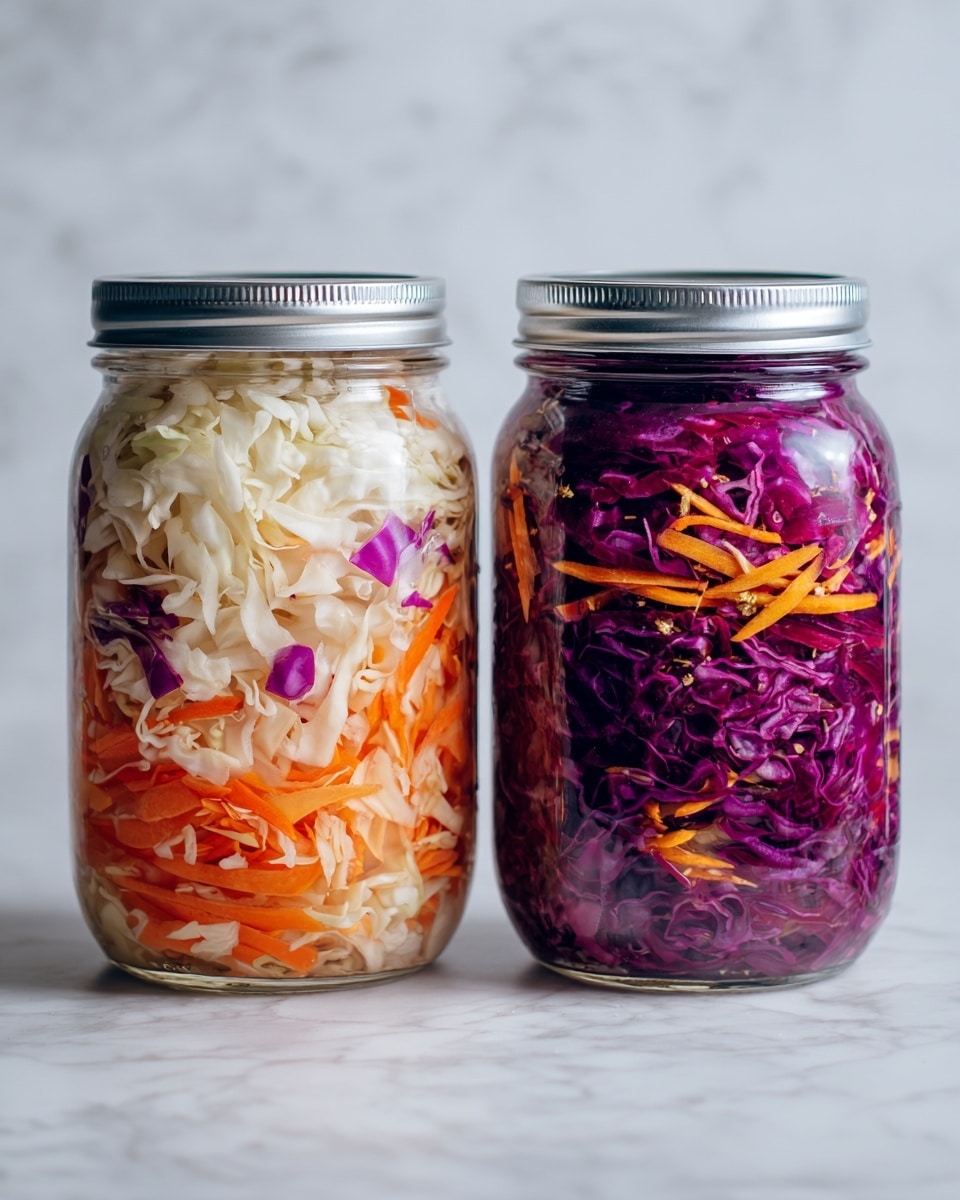
This sauerkraut is truly unique and homemade from scratch with simple ingredients that boost your gut health. It’s super easy to make, requiring just 7 basic ingredients. Packed with probiotics, vitamins, and minerals, this tangy, crunchy fermented cabbage dish is a delicious and affordable side that has stood the test of time.
Ingredients
- 8 cups red or green cabbage, finely grated or chopped
- 3-4 tsp sea salt, plus more to taste
- 1 small beet, finely shredded
- 3 whole carrots, finely shredded
- 3 Tbsp fresh ginger, shredded or grated
- 3 Tbsp fresh turmeric, shredded or grated
- 4 cloves garlic, finely minced
Instructions
- Step 1: Sterilize jars and all equipment by pouring boiling water over them, then dry completely. Allow them to cool to room temperature.
- Step 2: In a large bowl, combine the finely grated cabbage with 1 ½ teaspoons sea salt. Massage with clean hands for about 10 minutes until the cabbage softens and releases liquid.
- Step 3: Add the shredded beet, carrot, ginger, turmeric, and minced garlic to the cabbage. Massage again for 4-5 minutes until all ingredients are well combined.
- Step 4: Taste the mixture and adjust the flavor by adding more salt, ginger, or garlic if desired.
- Step 5: Pack the mixture firmly into the sterilized jars, ensuring the liquid covers all the vegetables. If there isn’t enough liquid, continue massaging or let the mixture rest for 10–15 minutes. Avoid adding plain water unless it’s properly salted.
- Step 6: Leave about 1 ½ inches of space between the contents and the jar lid to allow for expansion. Seal the jars with their lids.
- Step 7: Place the jars on the counter away from direct sunlight or in a cabinet. Keep the temperature above 65°F (18°C) to ensure proper fermentation.
- Step 8: Open the jars daily to release air and press the vegetables down to keep them submerged in the brine.
- Step 9: Fermentation time varies from 24 hours up to 2 weeks depending on temperature. Taste periodically to check for your preferred level of tanginess.
- Step 10: Once the desired flavor is reached, seal the jars tightly and transfer them to the refrigerator. Sauerkraut will keep for 3 to 6 months. Avoid double-dipping to prevent contamination.
Tips & Variations
- Use fresh vegetables and spices for the best flavor and texture.
- Use a mandolin slicer to get uniform thin slices of cabbage for even fermentation.
- Keep the jars in a warm, indirect light spot around 65-75°F (18-24°C) to encourage proper fermentation without spoiling.
Storage
Store your sauerkraut in sealed jars in the refrigerator once fermentation is complete. It will keep well for 3 to 6 months. Always use a clean utensil when serving to avoid contamination. To reheat, simply warm gently or enjoy cold as a crunchy side.
How to Serve
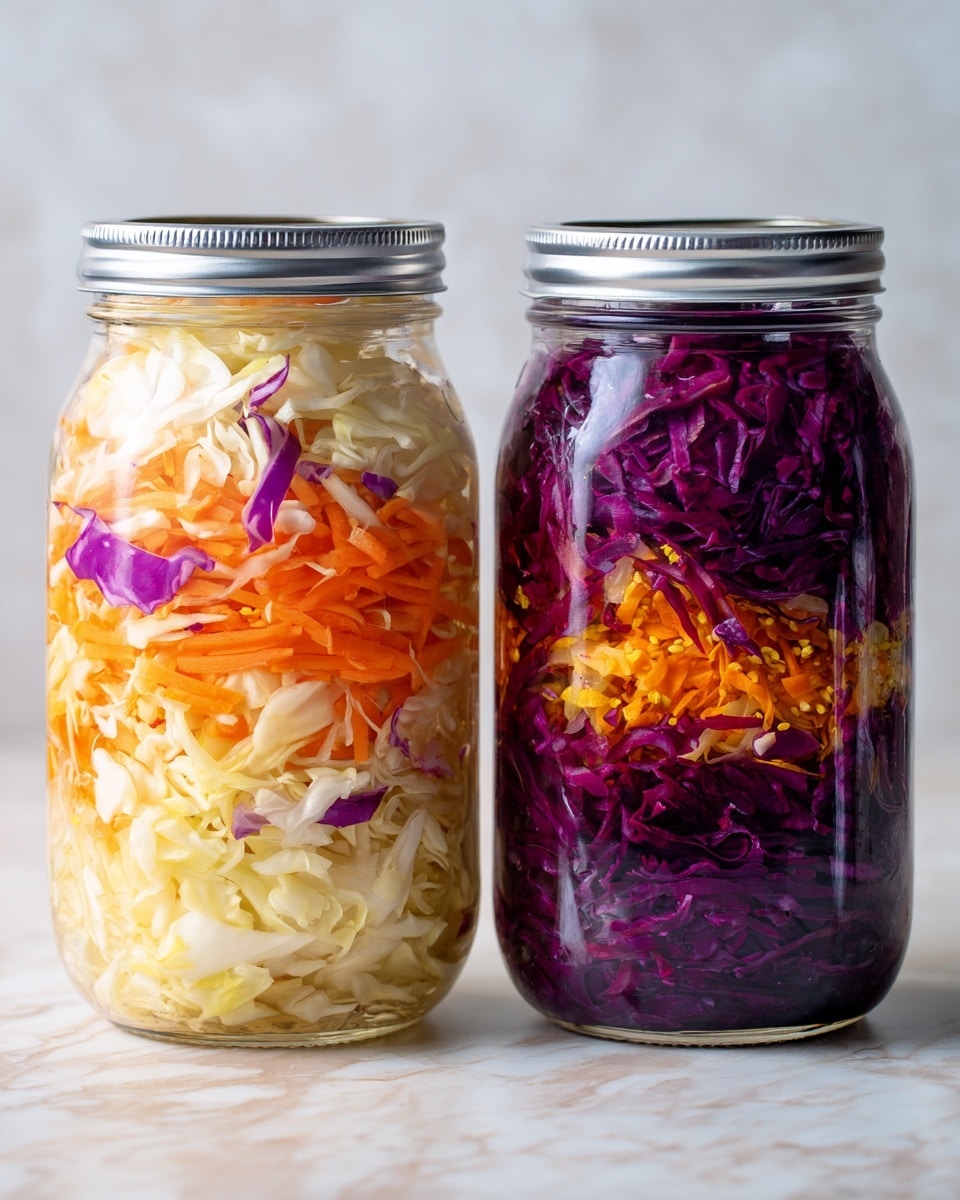
Serve this delicious recipe with your favorite sides.
FAQs
How long does the fermentation take?
Fermentation time depends on the temperature and your taste preference. It can take from 24 hours up to 2 weeks. Warmer temperatures speed up fermentation, while cooler ones slow it down.
Can I use white cabbage instead of red or green?
Yes, white cabbage works just as well for sauerkraut, though the flavor and color will be slightly different. Red cabbage adds a beautiful color and a slightly sweeter taste.
PrintHomemade Fermented Sauerkraut with Beet, Ginger, and Turmeric Recipe

This homemade sauerkraut recipe is a vibrant, tangy fermented cabbage dish that promotes gut health with natural probiotics. Made from scratch using just seven simple ingredients—including cabbage, beet, carrots, ginger, turmeric, garlic, and sea salt—this easy-to-make side dish delivers a crunchy texture and bold flavors. It requires only 30 minutes of active prep time, followed by a natural fermentation process lasting up to 14 days. Perfect for adding a nutritious, flavorful boost to any meal, this sauerkraut embraces traditional German cuisine and offers a long shelf life when refrigerated.
- Prep Time: 30 minutes
- Cook Time: 0 minutes
- Total Time: 14 days 30 minutes
- Yield: 6 servings 1x
- Category: Side Dish
- Method: No-Cook
- Cuisine: German
- Diet: Vegan
Ingredients
Vegetables and Aromatics
- 8 cups red or green cabbage, finely grated or chopped
- 1 small beet, finely shredded
- 3 whole carrots, finely shredded
- 3 Tbsp fresh ginger, shredded or grated
- 3 Tbsp fresh turmeric, shredded or grated
- 4 cloves garlic, finely minced
Seasoning
- 3–4 tsp sea salt, plus more to taste
Instructions
- Sterilize Equipment: Pour boiling water over jars and tools, then dry completely and let cool to room temperature to prevent unwanted bacteria during fermentation.
- Prepare Cabbage: In a large bowl, combine finely grated cabbage with 1½ teaspoons of sea salt. Massage with clean hands for about 10 minutes to soften the cabbage and help it release its natural juices.
- Add Other Veggies and Spices: Incorporate the shredded beet, carrots, ginger, turmeric, and minced garlic into the cabbage. Massage the mixture for an additional 4-5 minutes until all ingredients are well combined.
- Adjust Flavor: Taste the mixture and add more sea salt, ginger, or garlic according to your preference to ensure the best flavor balance.
- Pack into Jars: Firmly pack the mixture into the sterilized jars, ensuring that the natural liquids fully cover the vegetables. If there’s not enough liquid, massage the mixture more or let it rest for 10–15 minutes to release additional juice; avoid adding plain water unless properly salted.
- Leave Headspace and Seal: Leave about 1½ inches of space at the top of the jars to allow for expansion during fermentation. Seal the jars with their lids securely.
- Ferment: Keep the jars at a warm spot (above 65°F or 18°C), away from direct sunlight or inside a cabinet. Open the jars daily to release trapped air and press down the vegetables to keep them submerged in the brine.
- Monitor Fermentation Time: Fermentation typically lasts from 24 hours up to 2 weeks depending on temperature. Taste regularly until the sauerkraut reaches your desired tanginess.
- Refrigerate and Store: Once fermented to your liking, close the jars tightly and move them to the refrigerator. Sauerkraut will keep well for 3 to 6 months. Remember to use clean utensils to avoid contamination.
Notes
- Use Fresh Ingredients: Fresh vegetables and spices yield the best flavor and texture for your sauerkraut.
- Even Slicing: Using a mandolin slicer for the cabbage will help create uniform thin slices to support consistent fermentation.
- Temperature Control: Keep the fermenting jars in a warm environment but away from direct sunlight to ensure proper fermentation conditions.
- Do not dilute the brine with plain water unless it is properly salted, as this can spoil fermentation.
- Opening the jars daily and pressing vegetables down prevents mold and ensures anaerobic fermentation.
Keywords: sauerkraut, fermented cabbage, gut health, probiotic, fermented vegetables, German cuisine, vegan side dish, homemade sauerkraut